
Ink-Grinding Robot
- 奕澂 賴

- 2021年1月12日
- 讀畢需時 1 分鐘
Undergraduate Research in Bio-inspired Robotics Lab at NTU
Advisor: Professor Pei-Chun Lin
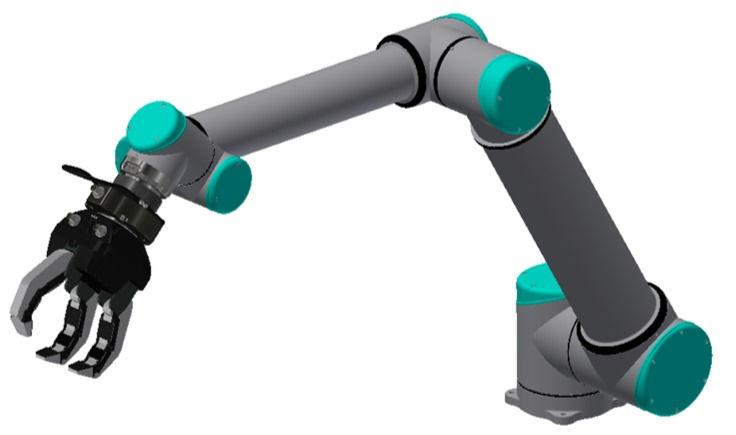
In the lab, there is an ongoing Taiwan Ministry of Science and Technology (MOST) Project. The project is focusing on constructing a calligraphy-writing robot arm. The robot arm is capable of writing calligraphy characters similar to the ancient calligrapher Wang, Xi-Zhi. It is in the charge of graduate and Ph.D. students in the lab.
Ink-Grinding Robot is side equipment for the robot arm, aiming to provide enough ink for the arm to write automatically. The Ink-Grinding Robot will start refilling water and grinding ink as long as the inkstone is empty. Actually, the robot was almost finished by the graduate student but the size of the product was too big and expensive. Therefore, the professor gave us a task to rebuild and enhance it.
To detect the ink level in the inkstone, I applied a CNN model for picture classification. Several inkstone pictures were labeled and separated into two groups according to the ink level in them. By using these pictures to train the model, it would be able to detect the ink level and decide to work or not. I pre-trained the CNN model (AlexNet) with GPU in the computer before embedded it into the Raspberry-pi. This way helped saving a lot of time for training. After training the model, it was able to work with an accuracy of around 91%. Besides, we implemented python code in Raspberry-pi for grinding motion control. The project is now passed down to the underclassman for further improvement.
The prototype of the ink-grinding robot



留言